Bee Kind With A Pollinator-Friendly Garden!

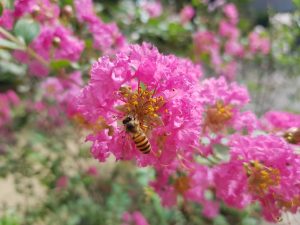
bee on a pink crape myrtle flower

National Honey Bee Awareness Day is August 18th. Celebrate by doing your part to help stop the global decline of bees.

Bees are responsible for pollinating a huge percentage of the food we eat. They also help control many pests that destroy crops. Unfortunately, global bee populations are declining at an alarming rate. A major factor to this decline is mass lost of habit. Thankfully, there are a lot of things you can do to help make your yard and garden bee-friendly!

Plant Pollinator-Friendly Plants

One of the most important ways to help bees is by adding flowering plants to your yard. There are lots of beautiful pollinator-friendly flowering plants that can give bees back a little of their lost habit:

  • Crape Myrtle – This beautiful non-native ornamental is attractive to both bees and people!
  • Coral Honeysuckle – This lovely ground cover is perfect for adding a bit of color to your space and bees love it.
  • Cethra – This a shrub with gold foliage. It’s known to attract butterflies and hummingbirds in addition to bees.
  • Flowering Quince – This plant grows 4 to 6 feet tall and boasts a beautiful red flower.

Other Ways to Help

Of course, there are other things you can do to help. Buying local raw honey and organic produce helps. So does leaving out water for your bees. Incorporating a birdbath or small water feature into your yard can give bees a much-needed spot to rest and re-hydrate.

Ready to make your yard or garden more bee-friendly? Then contact us today at 770-893-1254 to let Whispering Springs Nursery help you select the pollinator-friendly plants that are right for your home. Our plant nursery, landscape design, hardscaping and softscaping, and landscape maintenance services can help you realize the potential of your outdoor spaces. 
Beat the Heat with Hardy Indoor Plants for Summer

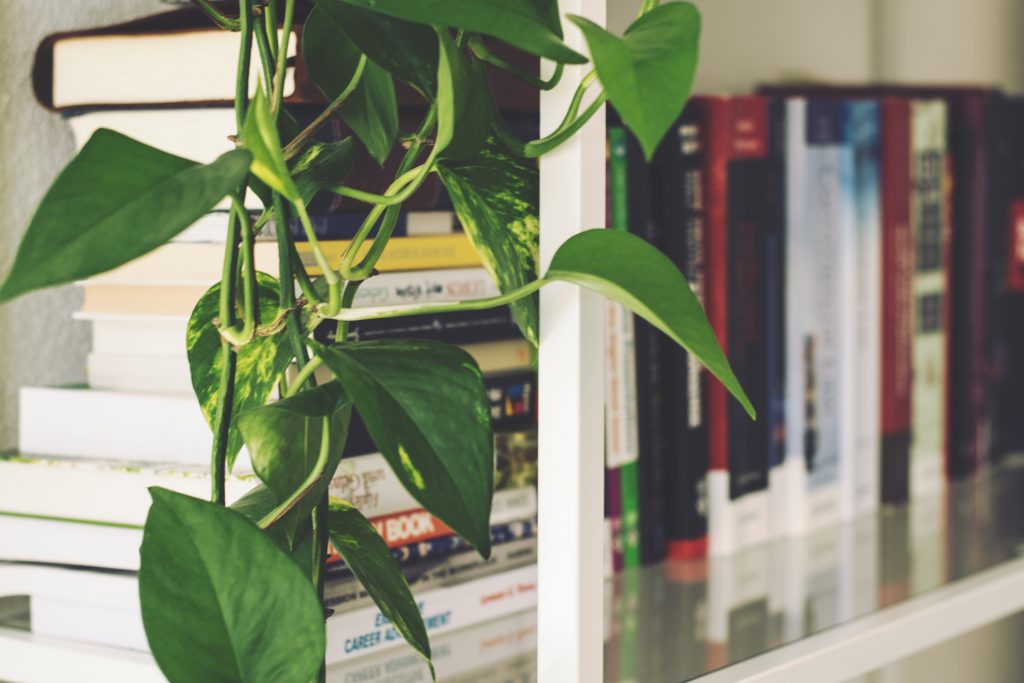
Pothos plant on bookshelf

The summer heat in north Georgia is no joke, and it can be as tough on plants as it is on us humans! If you’re looking to scratch a gardening itch without spending time outdoors in the sweltering sun and stifling humidity, check out these hardy houseplants to grow indoors this summer. 

Pothos 

This tropical vine is one of the most popular houseplants for a reason. Pothos can handle low to bright light, although medium to bright light will allow them to develop more attractive variegation on the leaves. They are quite forgiving when it comes to watering, and best of all, they are superstars when it comes to air purification! According to some research, pothos can remove common indoor pollutants released by furniture, carpeting, building materials, and cleaning products

Aloe vera

As a succulent, aloe vera requires minimal watering, which means it will be just fine when you come back from your summer vacation. Aloe thrives in container gardens and makes a great addition to a sunny windowsill in your kitchen. If you ever burn yourself on a hot pan or the oven door, snap off an aloe leaf – the inner flesh of the plant produces a gel-like substance that soothes minor burns, aids in healing, and inhibits bacterial growth

Monstera

Monstera deliciosa (also known as Swiss Cheese Plant) is having quite a moment on Instagram these days, but it will remain a classic house plant due to its elegant form and tropical vibes. During the summer, monsteras can sprout up to a dozen new leaves, which can be left to trail horizontally or trained on a trellis for more vertical growth. 

What are your favorite houseplants to grow? Whatever you’re looking for, visit us at Whispering Springs Nursery in Jasper to shop our large selection of indoor and outdoor plants. We can also help you update your outdoor areas with landscape design and maintenance, hardscaping, and even deer-resistant softscaping, so contact us today to learn more. 

Add Some Enchantment To Your Yard With A Fairy Garden

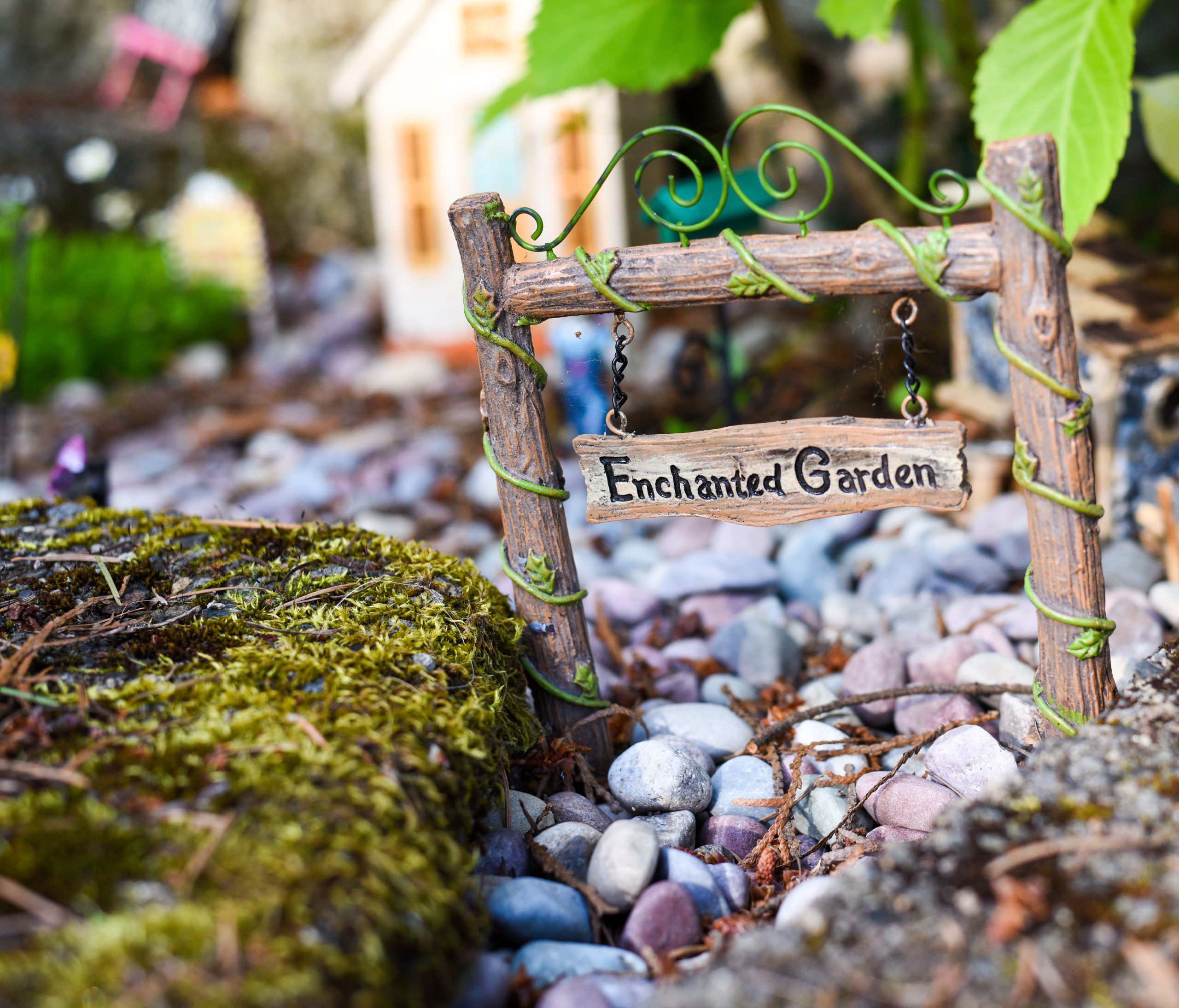
Fairy gardens are everywhere this summer! They are so popular because they allow you to connect with your imagination and create a whimsical word of your own. They’re a fun project and easy to escape into.

What is a fairy garden?

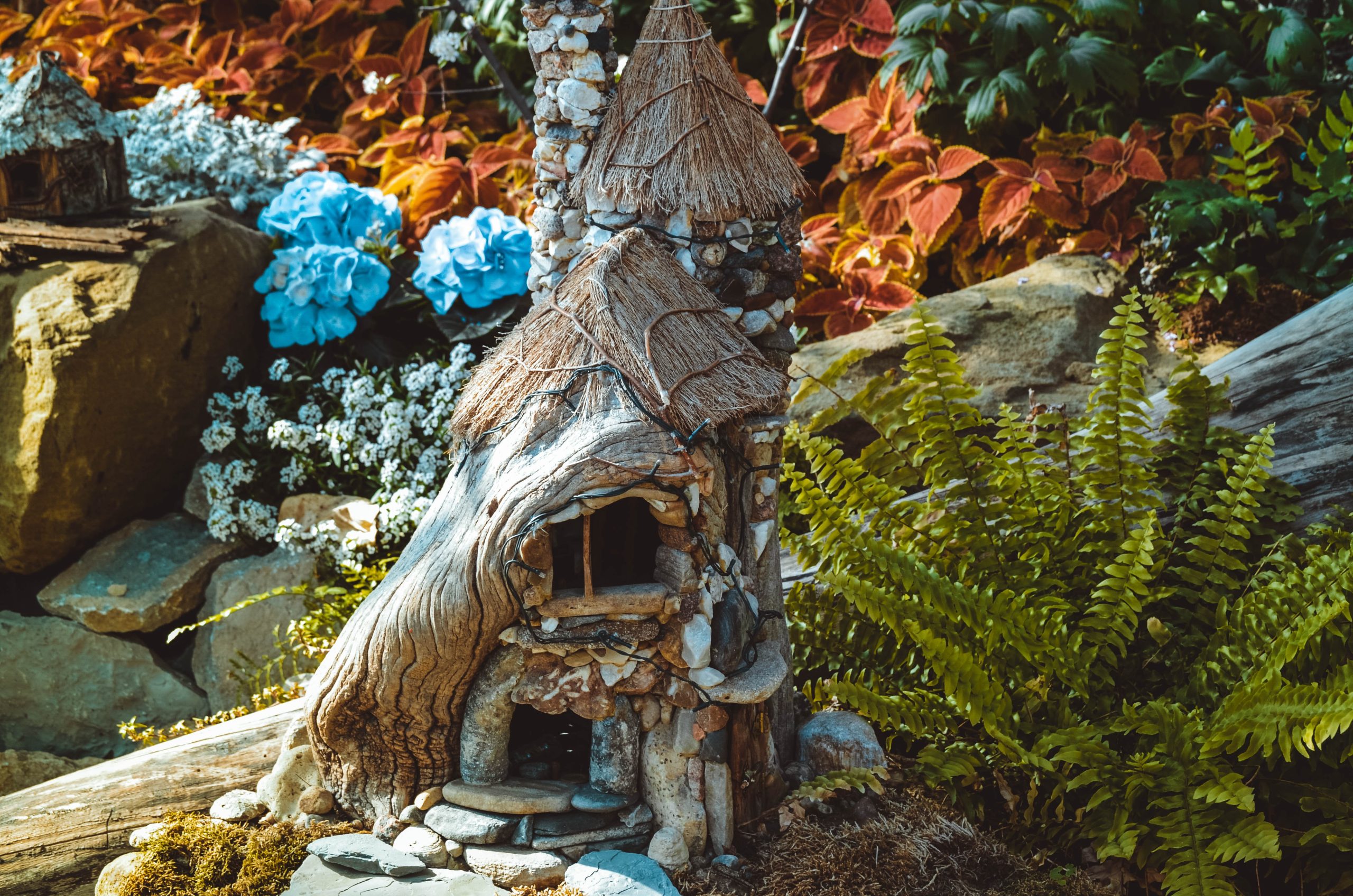
Fairy gardens, also known as enchanted gardens, are very tiny plots that include live plants, tiny statues, furniture, fountains, swings, and other accessories. Picture an enchanted garden for a fairy! They can be made inside or outdoors. The best part is, you don’t need to spend a lot of money to create one! You can make one on a budget with things you already own!

How do I make a fairy garden?

You’ll want to start with some sort of container like a pot. The more creative you can be, the better. Some other ideas include an old wheelbarrow, box, basket, or teapot. In that container you’ll want to add soil or sand, and then build a garden using objects in your yard such as sticks, stones, and pine cones. Then you’ll finish off your decorating items you’ve made or purchased. Your fairy garden is what you make it and completely up to your imagination which is 

the beauty of it.

Try these fun ideas for your next fairy garden:

Teacup Garden

A wonderfully crafted vintage teacup would make the perfect host for your fairy garden. You can add tiny succulents and flowers to add colors to the garden.

Cottage Garden

Create a cottage garden using a birdhouse. Adding clay to decorate the front, pebbles to the roof, and moss to the external walls gives it a complete fairy cottage feel.

Washtub Garden

You can create a beautiful fairy garden in a vintage galvanized washtub. Plants and tiny birdhouses can create something magical. 

We hope you create the perfect fairy garden for your home! Take a deep breath, close your eyes, and just imagine what you can create for your own fairy garden.

Sick Of Swatting? These Plants Help Keep Mosquitos At Bay

It’s summer in Georgia, which means hot weather, pool days, and lots of mosquitos. If you don’t want to spend the next few months swatting them away, we have some plants you can add to your yard to keep the mosquitos at bay. Most insect-repelling plants do their job with their natural fragrances, so not only do they keep the mosquitos away, but they bring their wonderful scents to your garden as well.

Try these 10 plants to help keep mosquitos at bay:

Marigold

Marigolds are easy to grow and an annual flower. They can keep away several types of insects and add beautiful color to any garden or home.

Basil

An herb that doubles as a pest repellent! You can plant basil in containers or in the garden – it’s great for repelling pest AND on pizza.

Sage

Not only can sage be planted to ward off bugs, it can also be dried and be used to make homemade bug spray.

Catmint

Catmint, also known as catnip, can thrive just about anywhere. It works as an excellent mosquito repellent and might also help you make so new feline friends.

Rosemary

Another great herb that doubles as a pest repellent is rosemary. While you keep the insects away, you can enjoy the herb’s scent and use it in your kitchen.

Citronella Grass

Citronella grass is the most commonly used natural ingredient in mosquito repellants. It is also a low maintenance plant and can be planted directly in a sunny area in the ground.

Scented Geraniun

Scented geranium a popular repelling plant with a strong fragrance that keeps multiple types of pests out of your garden.

Bee Balm

Bee Balm can attract good bugs (the kinds that pollinate your other plants!) and deter the bad ones. You’ll also get to enjoy their beautiful, colorful flowers all summer long.

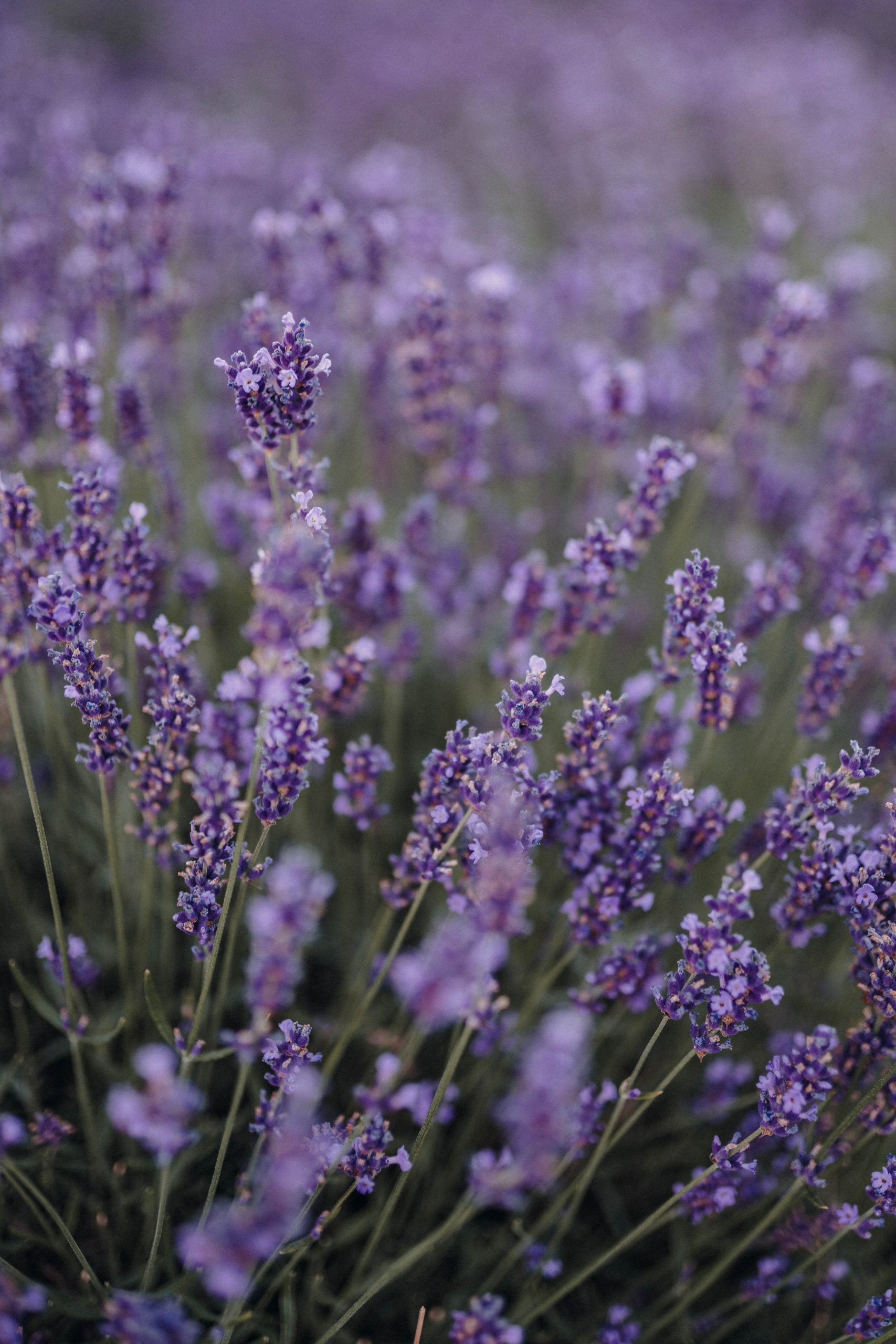
Lavender

While many know lavender for their amazing scent, few people realize it can also deter mosquitos. Lavender can endure many climates, though it thrives in a warmer climate in the summer.

Mint

Mint is a great nontoxic option for keeping flies, ants, and mosquitos at bay. The dried leaves can also be used inside your home as a natural pest control method.

If you need help keeping the mosquitos at bay, come see us at Whispering Springs Nursery in Jasper, Georgia. We have a large variety of trees, shrubs, perennials, annuals and specimen plants to keep your yard mosquito free all summer long!

Kid-Friendly Gardening

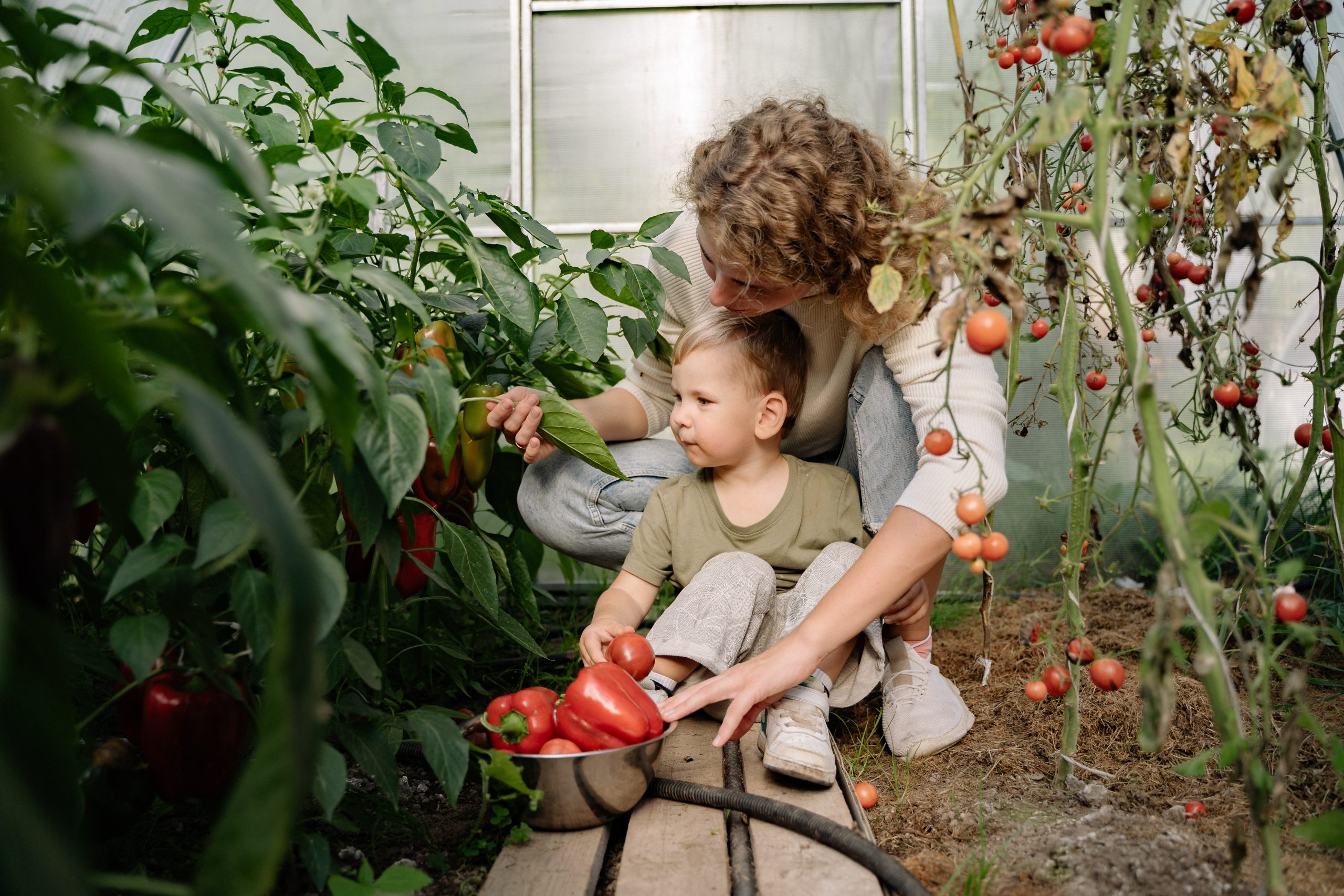
Spring weather is here which means it is time to get outside! If you’re looking for something family friendly to do at home, we have a great suggestion for you. Start a kid-friendly garden! 

A kid-friendly garden doesn’t mean you need to cram it with every toy known to man or make it more kid-like either. This garden gives them a space to let their imaginations run wild, while also learning how to nurture and care for plants. Sometimes it doesn’t take much, just a touch of creativity for kids to have a great time out in the fresh air!

We have a few tips for you on how to start your own kid-friendly garden:

Give them a special place in the garden for their plants!

Give each child their own space in the garden to take care of their plants. They’ll each have their own responsibility and that will empower them.

Give them a say on what to plant in their portion!

Here comes the fun part! Let them pick what they’d like to plant in their portion. Typically, these will be plants they recognize like tomatoes and pumpkins. Plants with large seeds such as beans and sunflowers are easiest for small hands to sow! Or they can pick a theme and you can pick plants that go along with their theme. Of course, do your research on toxic plants just to be sure.

Get them their own gardening gear!

Now the garden is in process, they need their own gear. This will get them really excited to take care and nurture their plants. Have them pick out a couple things to garden with and they’ll be a full-time gardener in no time!

We hope these tips help you build a kid-friendly garden that will have your entire family enjoying the outdoors! If you need help getting your garden started, come see us at Whispering Springs Nursery in Jasper, Georgia. We have a large variety of trees, shrubs, perennials, annuals and specimen plants.

A Beginner’s Guide To Hardscapes and Softscapes

There are two main elements that make up outdoor living spaces, hardscapes and softscapes. While these two categories are made of of vastly different components, they are both necessary to make a landscape fully functional.

To better explain what they each are, hardscape is the hard stuff in your yard. Think concrete, bricks, rocks, and stone. Softscapes are the soft, growing things. Some examples include flowers, shrubs, succulents, and trees. Another way to think of it is that softscapes are living, hardscapes are not.

Hardscapes

Once you know the difference between the two, the characteristics of hardscapes make more sense. Among them include:

  • Hard, yet moveable parts of the landscape
  • Inanimate objects
  • Solid and unchanging

Other examples of hardscapes include retaining walls, pavers, outdoor kitchen, water features, gazebos, decks, and driveways.

Softscapes

Plants are available in a variety of colors, shapes, sizes, and textures. When selecting softscapes:

  • Consider these your living and growing components of your landscape. This can include flowers, shrubs, trees, ground covers, etc.
  • They are softer to the touch literally. Think about touching the leaves of a tree or flower, they are soft.
  • They change and evolve constantly. They grow and adapt to the climate and their conditions.

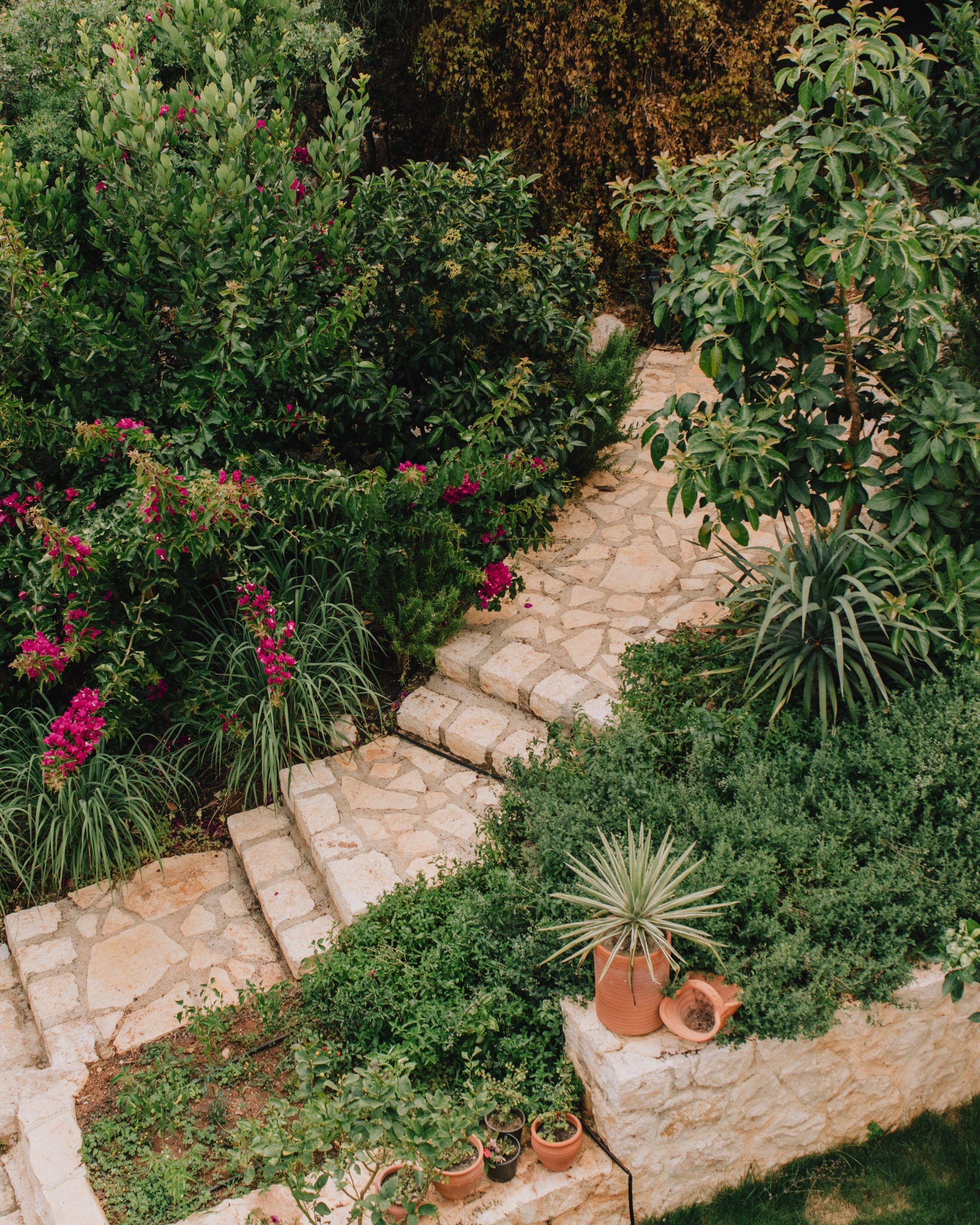
In an ideal world, a well-designed landscape incorporates a balance between these two elements. At Whispering Springs, we can assist you with both! For hardscapes, we offer several services including waterfalls, ponds, rock gardens, decks, retaining walls, walkways, and more! For softscapes, we offer perennial beds, seasonal color beds, landscape design including hardscapes and plantings, and deer-resistant plants. Contact us today to see how we can help your outdoor living space!

Landscape Design Trends For 2026: What Homeowners Are Asking For

If you’re already dreaming of how to freshen up your yard this year, you’re not alone! Around here in Jasper, GA, more homeowners are asking us how to bring modern landscape design to life in a way that still feels natural, timeless, and totally them, and we’re loving it.

Whispering Springs keeps a close eye on the latest styles while staying grounded in what works for North Georgia’s unique climate and terrain.

So, if you’re searching for landscape design trends for 2026, here’s a peek at what’s hot and what we’re excited to dig into!

1. Naturalized Landscapes

Gardens are getting a little wilder, in the best way. Think flowing grasses, native plants, and pollinator-friendly blooms that feel effortless but look stunning. It’s about working with nature, not against it. As a bonus, there’s less maintenance and more butterflies.

2. Outdoor Living, Upgraded

We’re seeing big interest in functional outdoor spaces, cozy fire pit zones, open-air dining areas, and even small garden offices. If you’re dreaming of a place to unwind or escape from your to-do list, now’s the time to build it right into your landscape plan.

3. Water Features A Little Outside Of The Norm

Forget basic and typical fountains. Homeowners want custom streams, bubbling boulders, or tucked-away ponds that feel like they belong in the North Georgia mountains. These features add movement, sound, and a sense of calm, yes, please!

4. Eco-Friendly Everything

From smart irrigation systems to drought-tolerant plants and organic mulch, sustainable landscape design is becoming the standard, and we’re all for it.

5. Small Space, Big Style

Not working with acres of land? No problem. Micro-gardens, container groupings, and layered planting beds are making it easy to have a show-stopping yard, even if you’re short on square footage.

Whether you’re ready to dive in or just daydreaming, now’s a great time to start planning your 2026 landscape refresh. 

Visit our landscape design services to learn how we can help turn your inspiration into something real and really beautiful.

For more ideas and behind-the-scenes projects, follow us on Facebook. We can’t wait to see what you dream up next!

Winter Care For Shrubs & Trees In The Mountains

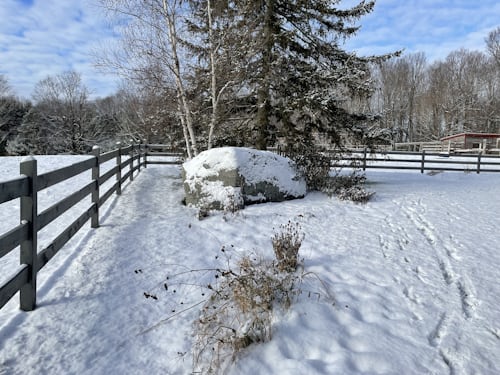
Winter in the North Georgia mountains has its own kind of beauty, crisp air, quiet landscapes, and the occasional dusting of frost that makes everything look like a postcard. But while you’re enjoying hot cocoa and cozy nights, your shrubs and trees are braving the cold outside.

We know just how important winter care for shrubs and trees in the mountains really is. 

With a few simple steps, you can protect your landscape from winter stress and ensure a healthy, happy comeback in spring.

1. Water Before The Freeze

Even though your trees and shrubs aren’t actively growing, their roots still need moisture. Before the ground freezes, give everything a deep watering, especially newly planted trees and evergreens. This helps them stay hydrated during dry winter months.

2. Mulch Is Your Winter MVP

A fresh layer of mulch is one of the best things you can do for your plants this time of year. Spread 2–3 inches of mulch around the base (but not touching the trunk) to help insulate roots, retain moisture, and regulate soil temperature.

3. Wrap Vulnerable Shrubs

Some tender shrubs, like young hollies, boxwoods, or hydrangeas, may benefit from a little extra protection. Burlap wraps or protective plant covers can shield them from harsh winds and frost damage, especially in exposed mountain areas.

4. Avoid Heavy Pruning

Winter pruning is a no-go for most plants. You risk cutting off next season’s blooms or opening the door for cold damage. Save major pruning for late winter or early spring, and if you’re unsure, we can help with that!

5. Watch For Hungry Deer

When food is scarce, your yard might look extra tasty to local wildlife. Consider using natural repellents or deer fencing to protect your favorite shrubs from becoming a winter snack.

Need a hand with winter landscape prep?

From proper mulching to choosing the right plants for high-altitude weather, we’ve got your back. Visit our landscape services page to learn how we help homeowners across Jasper, GA, and the surrounding mountain communities keep their landscapes healthy all year long.

Want more seasonal tips and behind-the-scenes looks at what we’re up to? Follow us on Facebook for garden inspo, updates, and friendly reminders from your local plant pros.

Your trees and shrubs may be resting, but your garden’s future is growing. Let’s get it ready, together.

Outdoor Lighting Ideas To Showcase Your Garden At Night

Here in Jasper, Georgia, we believe your garden should shine, literally, even after the sun goes down. If you’ve spent time and love designing your landscape, why let it disappear at night? The right outdoor lighting can turn your garden into a magical evening retreat, whether you’re hosting friends or enjoying a quiet glass of sweet tea under the stars.

Whispering Springs loves helping homeowners highlight their outdoor spaces with creative, functional, and beautiful lighting.

If you’re wondering where to start, here are a few of our favorite ideas to get your garden glowing:
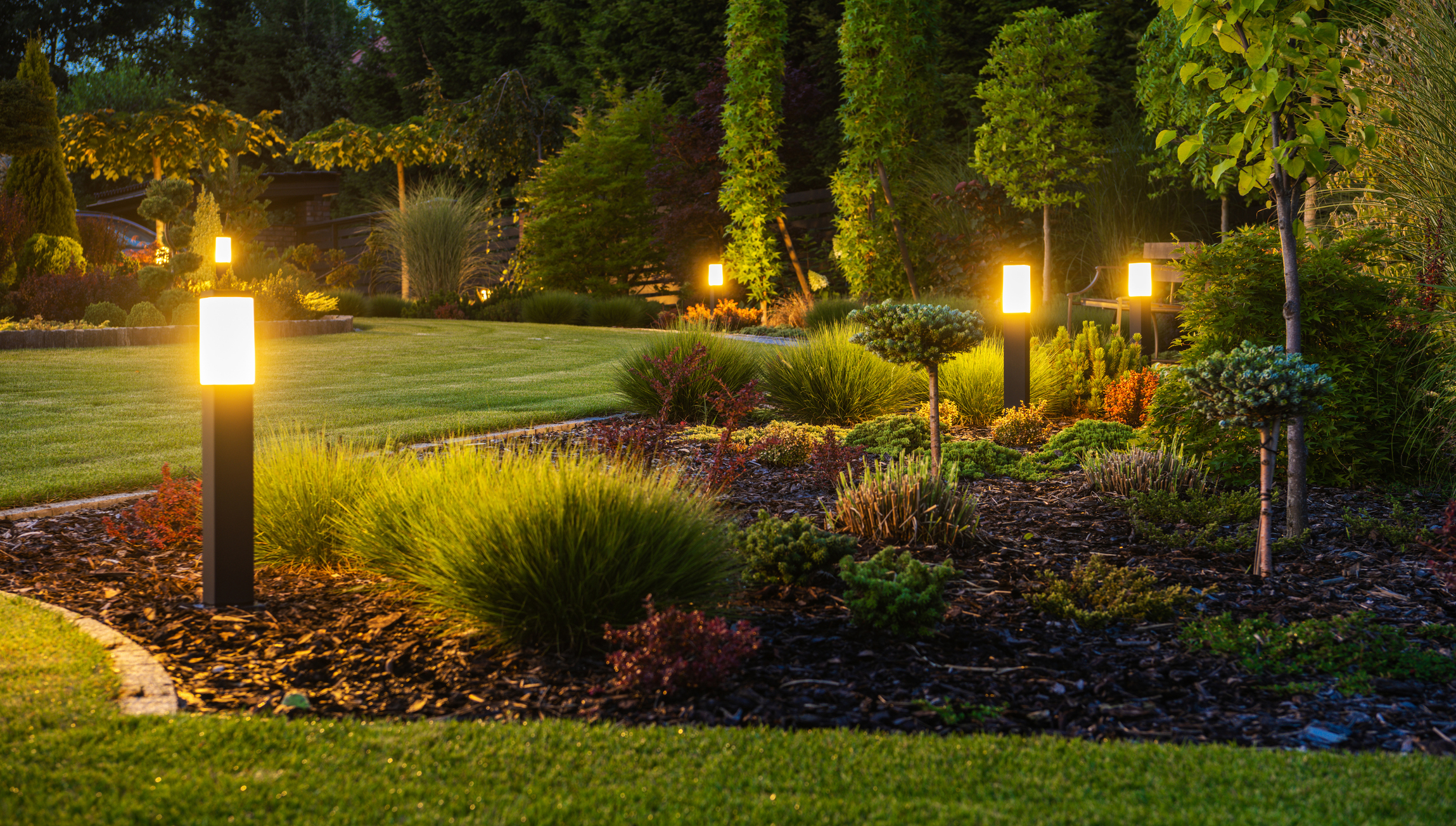
1. Pathway Lights

Soft lights lining your walkways not only look stunning but also help guide your way after dark. Choose warm-toned LEDs to create an inviting, golden glow that highlights your landscaping and keeps things safe for guests.

2. Uplighting Trees & Focal Points

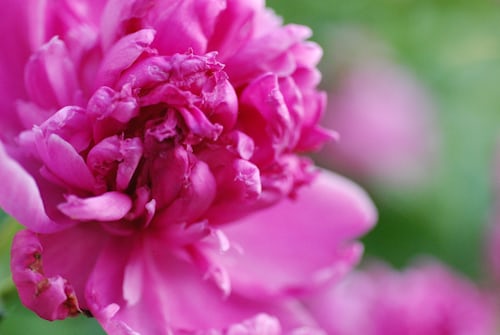
Got a gorgeous oak or a flowering crepe myrtle you’re proud of? Give it the spotlight, literally. Uplighting shines from the ground upward, creating dramatic shadows and drawing the eye to your garden’s best features.

3. String Lights For Cozy Vibes

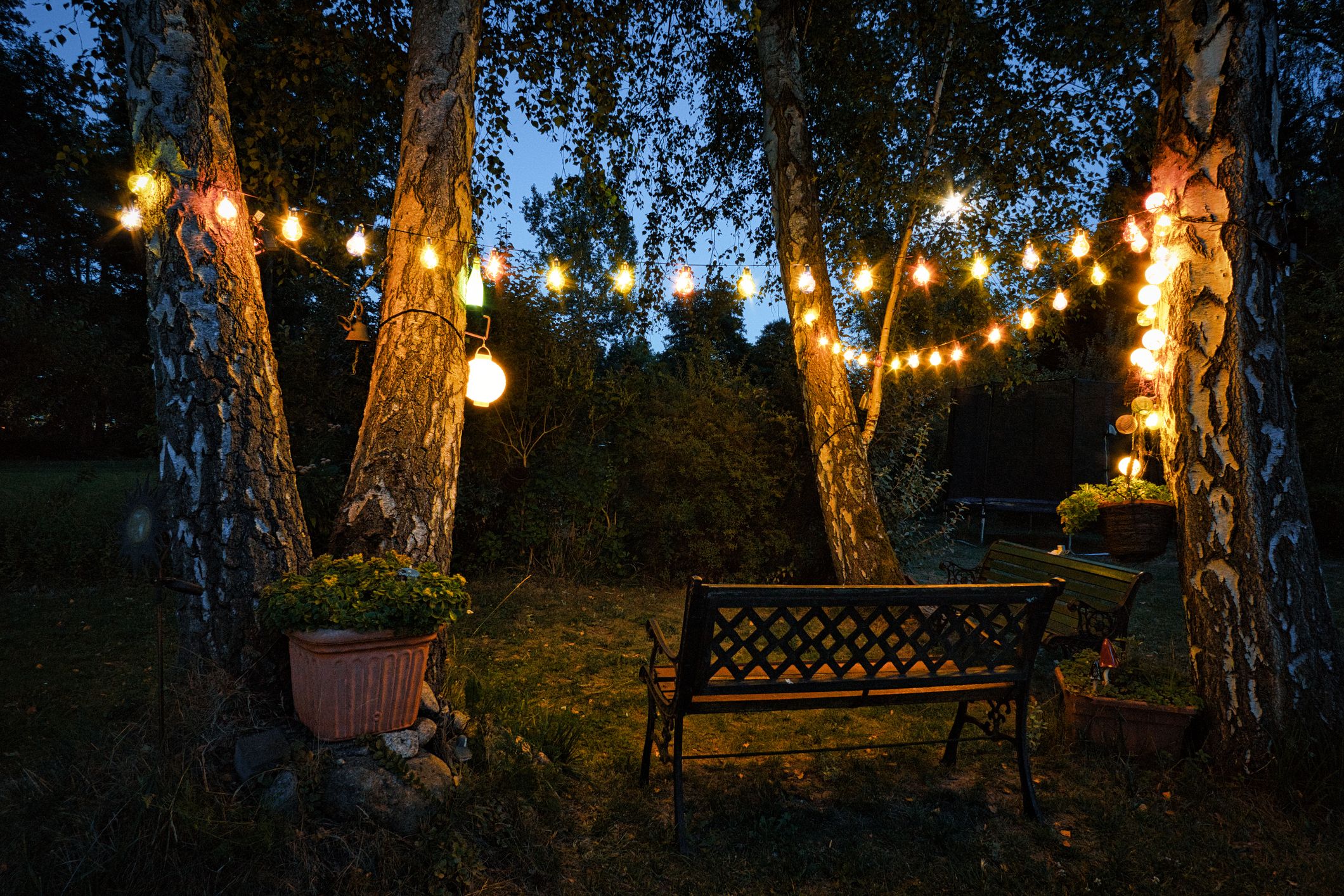
We love a backyard with a bit of twinkle. String lights draped across a patio, pergola, or even between trees can add instant charm and ambiance, perfect for relaxed evenings or backyard get-togethers.

4. Water Feature Lighting

If you’ve got a fountain, pond, or stream, don’t let it fade into the dark! Subtle underwater or edge lighting will highlight the movement of the water and make your yard feel like a resort retreat.

5. Solar-Powered Accents

Want a low-maintenance, eco-friendly option? Solar lights charge during the day and automatically come to life at night. They’re perfect for garden beds, borders, or accenting special plants.

Let our team at Whispering Springs help you light the way!

If you’re dreaming of a garden that glows, we’re here to help. Check out our landscape design services to learn how we can design a lighting plan that brings your outdoor space to life, day and night.

Want more inspiration? Follow us on Facebook to see how local Jasper gardens are lighting up with a little help from Whispering Springs. 

Your landscape deserves a moment in the spotlight. Let’s make it shine!

The Micro-Garden Movement: Big Impact In Small Spaces

Not all gardens need acres of space or fancy designs to be impressive. In fact, the growing trend of micro-gardens proves just the opposite. Whether you’re working with a patio, balcony, porch, or even a sunny corner of your yard, there’s plenty of opportunity to create something lush, vibrant, and totally you. We love helping our Jasper neighbors think outside the (garden) box!

Whether you’re a first-time gardener or a seasoned green thumb looking to downsize your footprint, micro-gardening is a smart, sustainable, and stylish way to grow.

What Is A Micro-Garden?

A micro-garden is any garden created in a small or limited space, often using containers, raised beds, or vertical elements. These setups are perfect for urban areas, rental homes, or simply anyone wanting a lower-maintenance landscape.

With the right design and plant selection, micro-gardens in Georgia can produce everything from fresh herbs and vegetables to colorful annuals, native perennials, and even pollinator-friendly habitats.

Why Micro-Gardens Make Sense In Georgia

Georgia’s warm growing seasons, mild winters, and long stretches of sunshine make it an ideal place for micro-gardening. You don’t need a massive yard, you just need:

  • Well-placed sunlight, most edibles and flowers love 6+ hours a day
  • Proper containers with drainage
  • Good-quality soil and the right plants for your micro-climate

Guess what? We can help with all of that. Check out our landscaping services to learn how we help bring small-space gardens to life all over Jasper, GA.

Container Garden Ideas To Try

If you’re not sure where to start, here are a few easy, beautiful, and practical ideas:

  • Vertical Herb Wall – Great for patios or balconies. Use a hanging organizer or stackable planters filled with basil, rosemary, parsley, and mint.
  • Color-Themed Containers – Combine annuals in complementary shades for a bold splash of color (think red geraniums, white alyssum, and trailing blue lobelia).
  • Edible Raised Beds – Compact boxes filled with lettuce, peppers, radishes, or cherry tomatoes, perfect for fresh, homegrown snacks.
  • Succulent Trays – These low-water beauties love the Georgia heat and are ideal for small tables or decorative accents.
  • Pollinator Pots – Include coneflower, bee balm, coreopsis, and salvia to support local bees and butterflies.

Added Benefits Of Micro-Gardening

  • Saves water – Smaller spaces mean more efficient watering
  • Less maintenance – Fewer weeds, easier cleanup
  • Budget-friendly – Fewer materials, less cost to get started
  • Eco-friendly – Reduces waste and supports native biodiversity when planted thoughtfully

Whether your goal is fresh herbs for dinner, a peaceful green space, or a pop of floral beauty on your porch, micro-gardens make it easy to bring nature closer to home.

Ready to start your small space landscaping project?

If you’re not sure what to plant or how to design your space, that’s where we come in! From container garden ideas to full small space landscaping makeovers, Whispering Springs Nursery & Landscaping is proud to serve the Jasper, GA area with thoughtful, personalized service.

Let’s turn your little space into something special. Visit our landscape services page or swing by in person. We’d love to help you plan your dream micro-garden.

Don’t forget to follow us on Facebook for planting ideas, seasonal tips, and inspiration from fellow green thumbs right here in our community. 

Small space, big impact, and endless possibilities. Let’s grow something beautiful, no matter how small the space.